By Judi Jordan
AFM 2025 Lourdes Diaz AGC Partner/CCO spills on why every indie film needs its own playbook—and how flexibility beats formula
Lourdes Diaz doesn’t do cookie-cutter. As Partner and Chief Creative Officer at AGC Studios, the former Univision Entertainment President has built a reputation for one thing: trusting filmmakers enough to break her own rules. From expanding Latino narratives across broadcast and streaming to backing auteur-driven indies like The Tinder Swindler and Hit Man, Diaz has proven that betting on vision—not templates—wins.
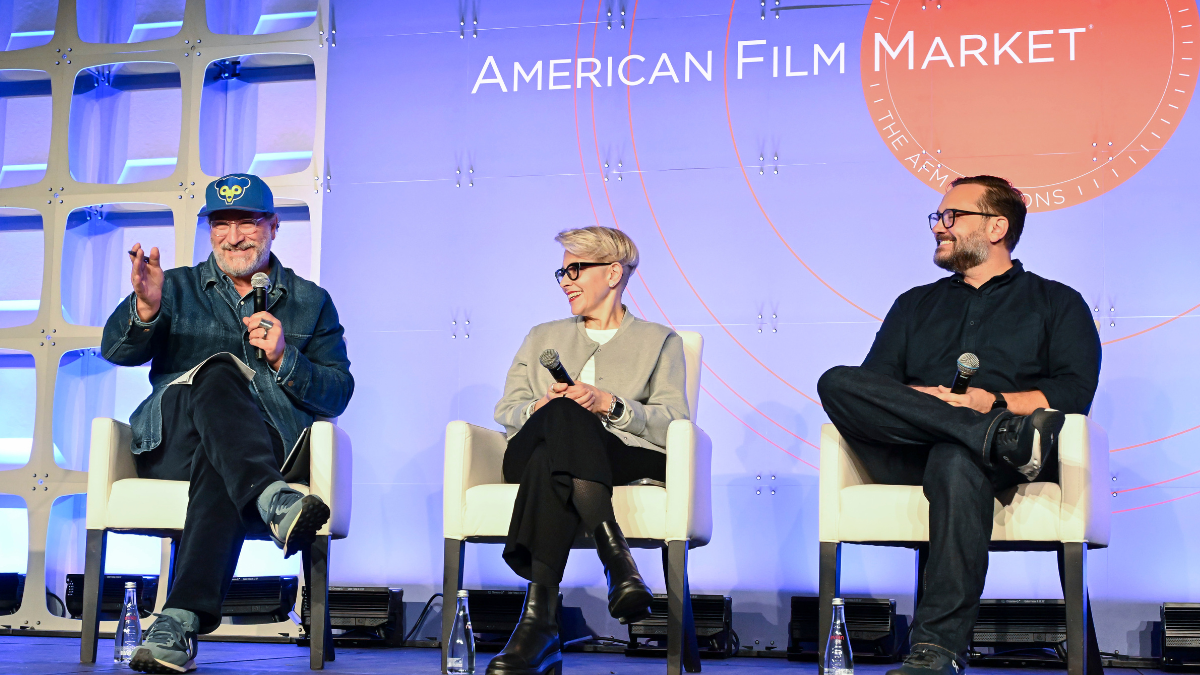
At AFM 2025’s “Crafting the Narrative” panel, on November 13, Diaz opened up about AGC’s unconventional approach to financing, nurturing talent, and why the best decisions often come from throwing out the playbook entirely.
All In, All the Time
Forget passive oversight. At AGC, Diaz and her team are embedded in every frame. “We’re intimately involved in every aspect of every title on this slate,” she said. “I have three kids, and you love your children equally but differently. Some need more hand-holding, others need more space, others need nothing, just a credit card.”
That parent-producer analogy is operational philosophy. “When you’re on the phone with someone from a particular project, you’re in that moment. You’ve got to be present. You can’t bring baggage from the call before or after.”
Why the intensity? “They’re trusting us with their work and they’re trusting that we’re going to help them get it to screens.”
Stay Flexible
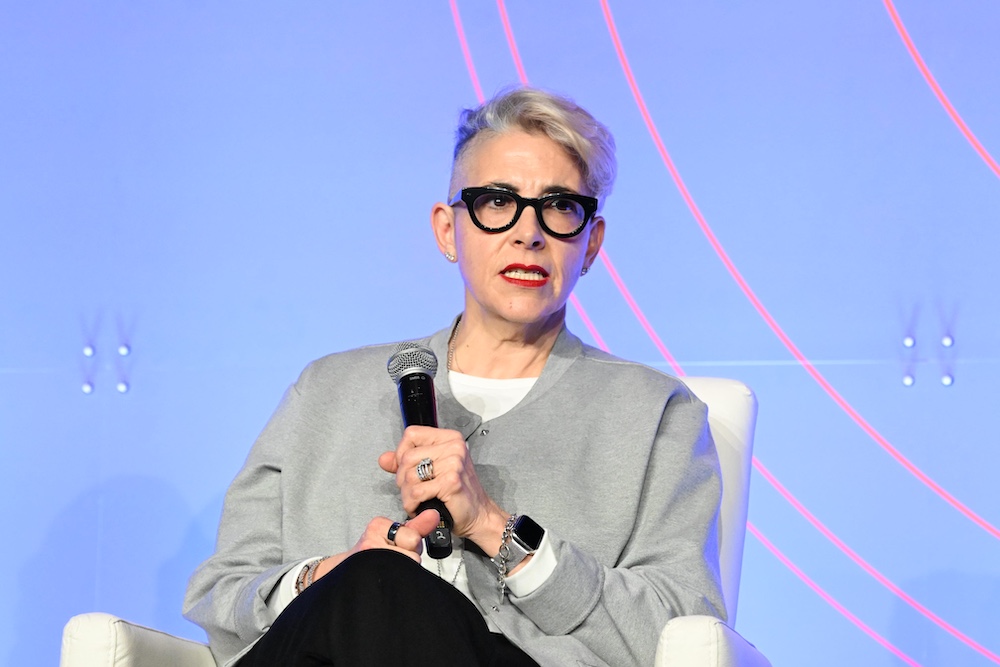
Ask Diaz about AGC’s financing model and she’ll give you the most honest answer in Hollywood: there isn’t one. “Every script that comes through has a different set of realities—the non-negotiables, and the things that are fungible,” she revealed. “We work in that place where we’re creatively figuring out what’s the best way to get this to screens and to audiences.”
What AGC does have? Speed and candor. “One of our superpowers is that we are quick to get back to you on whether we love something or we don’t,” Diaz said. Even passes come with intel: the studio tracks projects with potential, keeping doors open as scripts develop and elements attach.
When Netflix Said No, AGC Said Yes
Nothing illustrates Diaz’s flexibility better than Hit Man. The Richard Linklater comedy came to AGC in turnaround—studio-speak for “rejected.”
“We financed it independently,” Diaz recalled. “Glenn [Powell] and Rick [Linklater] put their heart and soul into it. Adria [Arjona] was fantastic. Then it went to a different platform.”
The pivot paid off. By staying nimble, AGC found Hit Man a theatrical release and streaming home. “We remained flexible and did what was right for the movie to get to the widest number of eyeballs yet still protect Glenn and Rick’s vision.”
Actors to Auteurs: Building Careers
For Diaz, the ultimate win isn’t opening weekend—it’s career trajectories. “To move someone from one category to the next—from a writer to director, from an actor to director, from a director to getting a passion project off the ground? You’re part of their history.”
With budgets ranging from $1 million to $150 million, every AGC project shares common DNA: director-led vision. “Every single one of those people put their trust in that director and went on a mission to make the best possible thing.”
Art-Commerce Tightrope

If there’s one truth keeping Diaz up at night, it’s this: “You’re taking art and commerce and trying to get enough of one and enough of the other so they both survive. If you over-index on one or the other, you’re not successful.”
But for Diaz, success defies spreadsheets. “People will forget the plot of a movie, but they won’t forget how they felt after watching it. That’s truly rewarding.”
As AGC continues its expansion—from Univision alum Diaz’s Latino roots to global mainstream dominance—the studio’s secret weapon remains refreshingly simple: stay present, stay flexible, and never, ever use a template.
Because in indie film, the moment you think you’ve found the formula is the moment you’ve lost the plot.
About the Author