


By Bel Hernandez Castillo
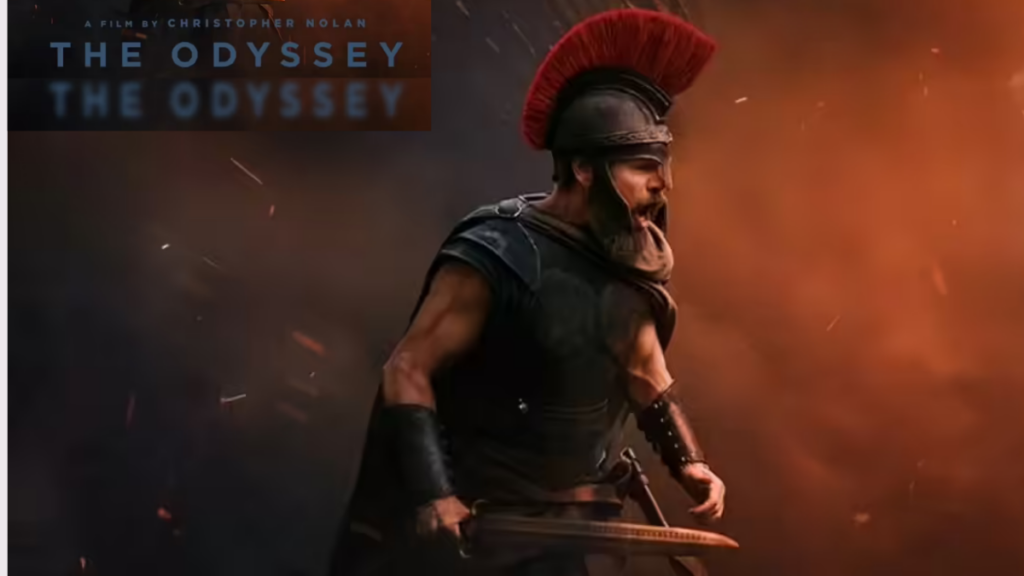
Christopher Nolan’s The Odyssey has become one of the year’s biggest box office successes, earning $264.1 million and demonstrating once again that audiences will show up for epic storytelling. But beyond the impressive numbers is another story worth celebrating—one that has often been overlooked in Hollywood.
This time, Latinos weren’t simply part of the background. They were cast in meaningful, high-profile roles throughout one of the year’s biggest studio films.


Among the star studded cast lead by Matt Damon, Zendaya, and Anne Hathaway, are Academy Award winner Lupita Nyong’o as Helen of Troy and John Leguizamo as Eumaeus. Other Latinos cast are Jimmy Gonzales as Cepheus, Jesse Garcia as Menetus and Maurice Compte as the Steward of Menelaus, and Shiloh Fernandez, as First Trojan. Their presence signals a noticeable shift in how major studio tentpole films are beginning to reflect the audiences that have long supported them.
For decades, Latino advocacy organizations, community leaders, and entertainment journalists have argued that inclusion isn’t just the right thing to do—it’s smart business. U.S. Latinos have consistently ranked among the nation’s most frequent moviegoers, yet they have rarely seen themselves represented in proportion to their economic and cultural impact.
The Odyssey offers a compelling example of what happens when that equation begins to change.
No actor has championed Latino representation more consistently than Leguizamo. Throughout his career, he has used his platform—and his production and media ventures—to create opportunities for Latino talent and to connect directly with Latino audiences. Seeing him in a prominent role in one of Hollywood’s biggest releases carries significance beyond the screen. It reinforces the message that Latino actors belong in major studio films, not as token additions, but as integral parts of the story.

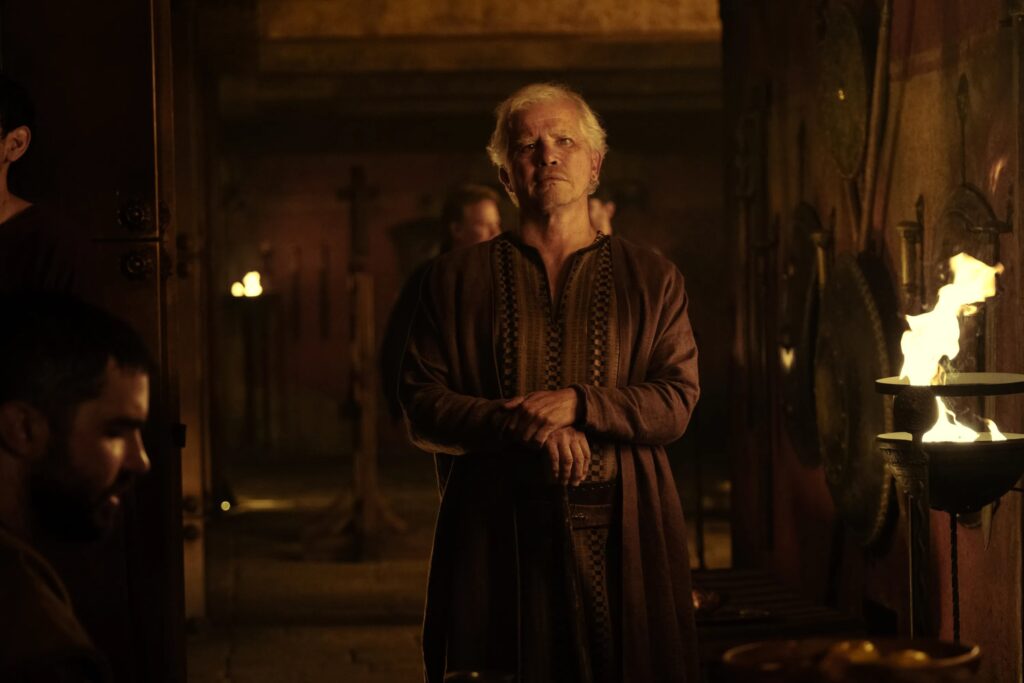
The film’s outreach also extends beyond casting. Star Matt Damon, (Odysseus), whose wife is Argentine, has embraced Spanish-language interviews while promoting the film, connecting with Latino audiences in a way that feels authentic rather than performative. Those moments matter. They acknowledge a moviegoing audience that has too often been treated as an afterthought despite its enormous influence at the box office.
Hollywood has spent years discussing diversity. The Odyssey demonstrates what inclusion can look like when it moves beyond conversation and into action.
Christopher Nolan deserves credit for assembling a cast that reflects a broader range of talent without making diversity the headline. Instead, it simply becomes part of telling a richer story. That’s exactly what audiences have been asking for.
The lesson is clear. Casting a wide net that includes Latino and other actors of color in leading and featured roles doesn’t diminish a blockbuster—it strengthens it. It broadens its appeal, expands its reach, and acknowledges the audiences who have long helped make Hollywood successful.

The success of The Odyssey won’t end the conversation about representation, but it provides another data point supporting what many have said for years: when Hollywood intentionally includes Latinos on screen and in its marketing, audiences respond.
Representation isn’t charity.
It’s good storytelling.
And as The Odyssey is proving at the global box office, it’s also good business.
For marketing & box office analysis read our 1st ? The Latino Box Office Effect™ HERE