

Watch it now on OnTheHiway
Bel Hernandez Castillo
After five years in the making, the award-winning documentary Ugly Little Monkeys is entering its next chapter—on its own terms.

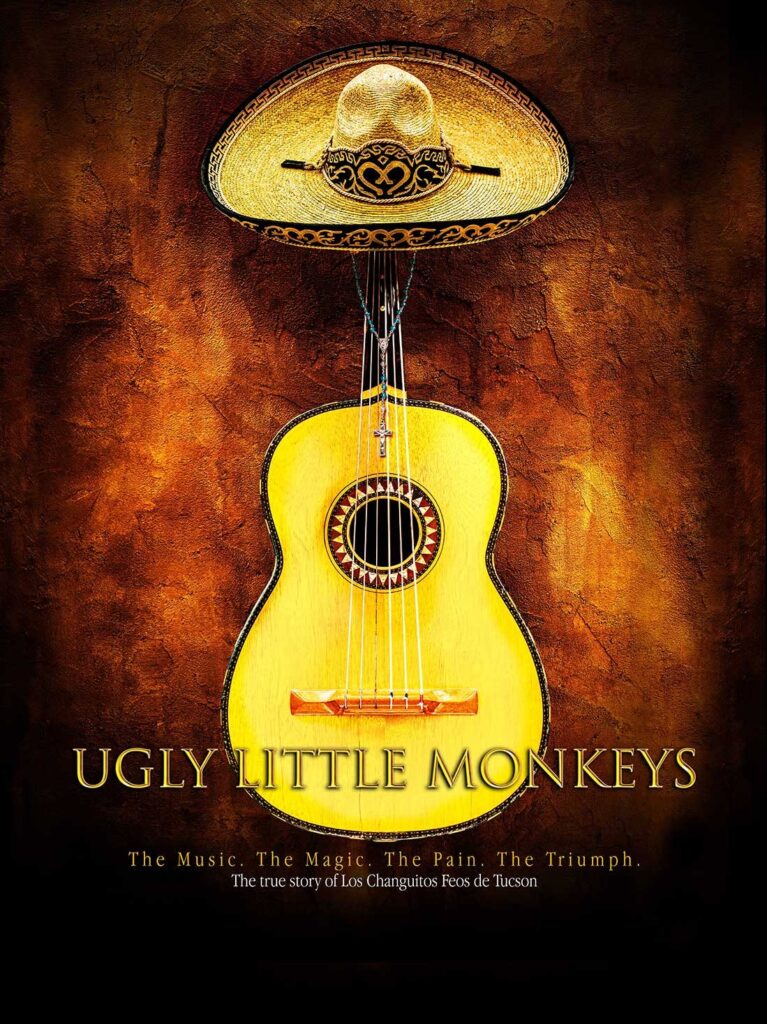
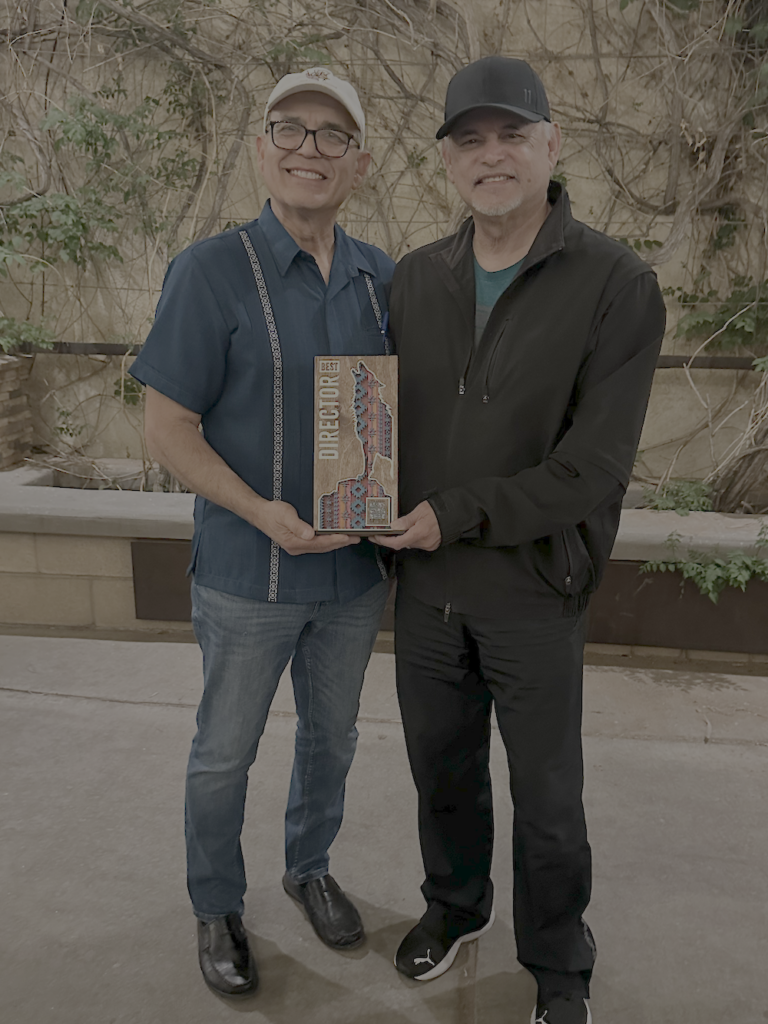
Directed by David E. Valdez and Enrique Castillo, the documentary has enjoyed a successful film festival run, earning multiple honors including Best Directors and Best Documentary. Now, rather than following a traditional distribution path, the filmmakers have chosen a strategy that reflects a growing movement among independent creators: owning their distribution and maintaining direct control over their audience.
Ugly Little Monkeys, the documentary that chronicles the birth of the youth mariachi movement in the United States, begins its distribution journey today.
Maintaining control of their documentary’s distribution was important to Valdez and Castillo, so they chose OnTheHiway, a global streaming platform that allows filmmakers to manage their own releases while retaining ownership of audience data and revenue streams.

OnTheHiway does indeed provide the tools for filmmakers to control their distribution, audience data, pricing, and revenue streams – however it does not automatically provide the audience, marketing, or discoverability that traditional distributors sometimes bring.

Unless you are a big studio film, the marketing and distribution usually falls on the filmmakers. No streaming platform, distributor, or VOD service can provide the one thing every film needs most: audience awareness. Distribution makes a film available. Marketing makes it discoverable.
According to Jon Reiss, distribution strategist and author of Think Outside the Box Office: The Ultimate Guide to Film Distribution and Marketing for the Digital Era, “50% of your time and resources should go into connecting that film to an audience. In today’s crowded content landscape, discoverability has become one of the greatest challenges facing independent filmmakers. A film cannot succeed if audiences don’t know it exists.”
He argues that filmmakers must stop viewing distribution as a post-production task and instead build audience engagement into the filmmaking process from the beginning.
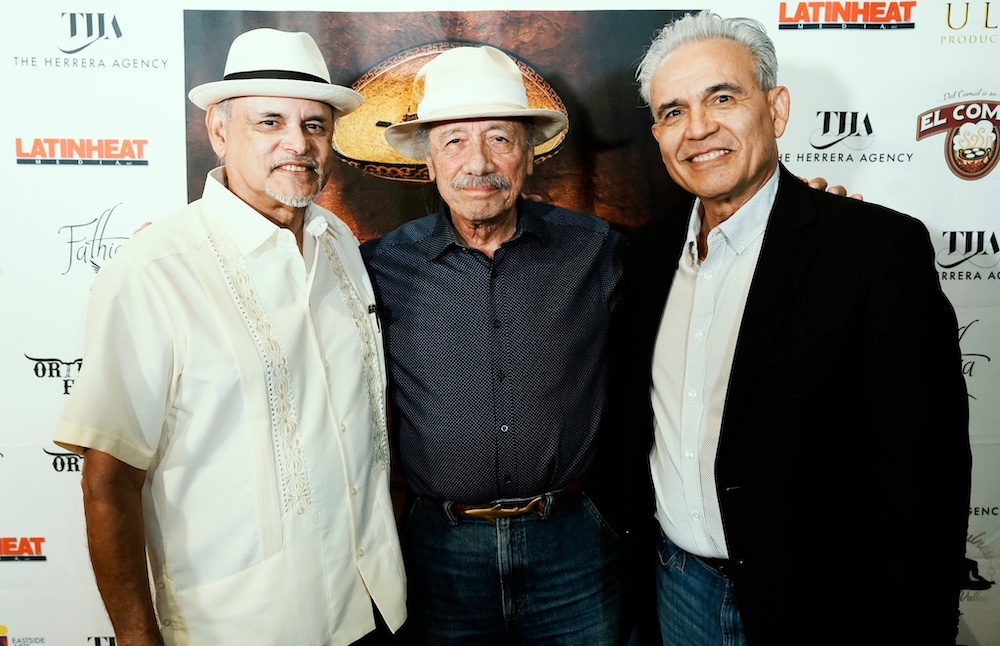
Castillo and Valdez understood early in the production process that audience-building begins long before a film reaches distribution. One of their most strategic decisions was inviting Academy Award-nominated actor, director, and producer Edward James Olmos to join the project as Executive Producer. Having worked together with Olmos on several film and television projects, Castillo knew that Olmos not only shared a passion for preserving Latino cultural heritage but also brought immediate credibility and visibility to the documentary.
Olmos’ involvement became a valuable marketing asset throughout the film’s journey. His name help attract attention to the project from its earliest stages, while his continued support has helped raise the documentary’s profile among both industry professionals and general audiences. Today, Olmos introduces the film on its streaming platform release, lending his voice and endorsement to the project. He has also participated in key screenings, including a high-profile presentation at the Directors Guild of America in Los Angeles, helping generate awareness and audience engagement.

For independent filmmakers, the lesson is clear: marketing is not something that begins when a film is finished. By intentionally building relationships, securing influential advocates, and creating promotional opportunities throughout production, filmmakers can lay the foundation for a successful release long before distribution begins.
Highlighting other choices that added to the storytelling of the documentary included reaching out to artists and talents who could speak to the context of the documentary or in some cases, first hand to the storyline of an Irish Catholic priest who gathers a handful of small town kids and forms the first youth mariachi group in the United States. Those interviews are some of the key elements that now serve to market the film among not just in the U.S. but worldwide.
- Within the first five minutes of the documentary, mariachi music is established as a worldwide phenomenon through a montage of mariachi ensembles performing the classic “La Negra” in Japan, Italy, Poland, the United Kingdom, Croatia, Portugal, China, and New Zealand. Their participation later helped generate screenings of the documentary through Mexico’s Consulates in their respective countries.

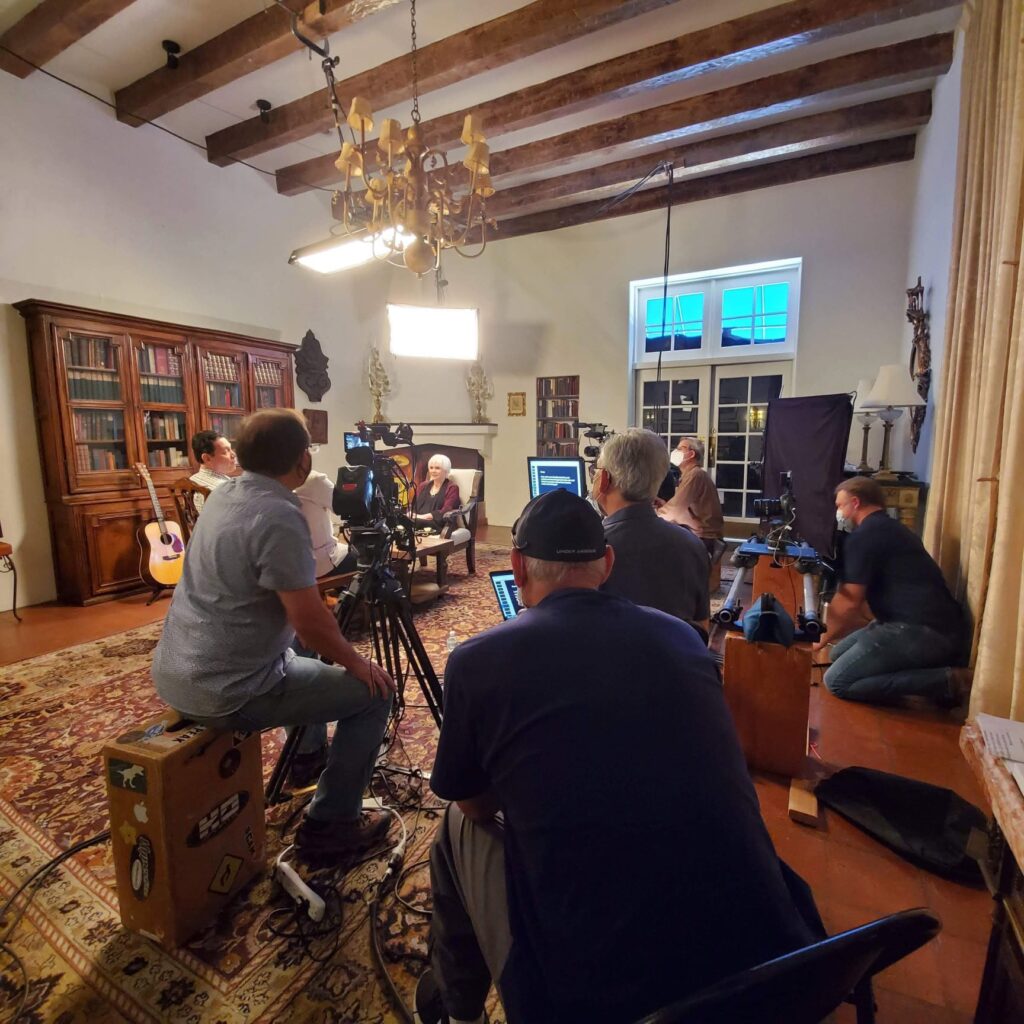
- The interview with Grammy Award-winning singer-songwriter Linda Ronstadt provides one of the documentary’s most insightful perspectives, having grown up in Tucson and knowing about the Changuitos Feos/The Ugly Little Monkeys. Ronstadt helped introduce mariachi music to mainstream American audiences through her landmark album Canciones de Mi Padre, which became one of the best-selling non-English-language albums in U.S. history.
- The interview of Grammy Award winning Ruben Fuentes, a legend in Mariachi music and musical director of the world famous Mariachi Vargas the Tecalitlán. He also was a producer of Ronstadt ‘s Canciones de Mi Padre. He was interviewed at his home in Mexico City before his passing. He credited Los Changuitos Feos—The Ugly Little Monkeys—with helping popularize and elevate mariachi music throughout the United States while introducing generations of audiences to the artistry of Mariachi Vargas.
- Adding to all this, Co-director Enrique Castillo who is also an actor, narrated the documentary. Castillo’s recognizable voice and decades-long acting career, most notable as Montana in Taylor Hackford’s Blood in Blood Out, have also become valuable promotional assets, drawing audiences to screenings where he regularly participates in post-film discussions and Q&A sessions.
- A special screening in Tlalpan, Mexico, hosted by the Mexican Consulate, demonstrated the film’s international appeal. Audiences enthusiastically embraced the story of a youth organization that helped preserve and expand Mexican culture in the United States and beyond. The reception has already opened doors for additional screenings throughout Mexico.
At every the screenings what resonates with audiences is the storytelling. Ugly Little Monkey tells the story of a group of young boys from Tucson, Arizona, some who didn’t even know Spanish or how to play an instrument, who then went on and became world class musicians and singers in spite of the obstacles.

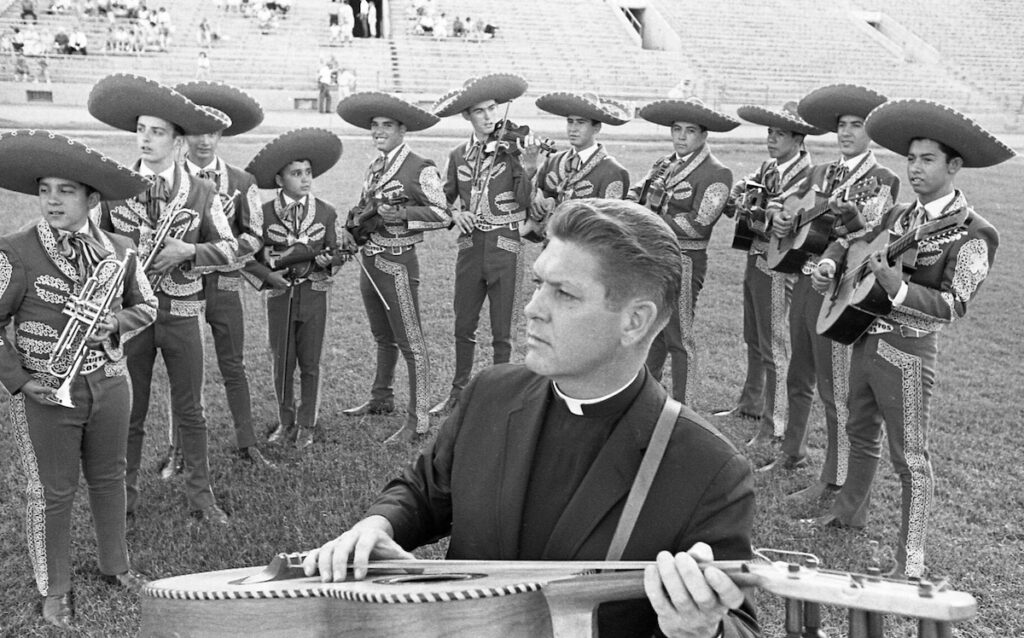
Several of the members of the group grew up to lead world class Mariachi groups of their own, one of those groups is the renown Mariachi Cobre that has been playing at Epcot Center in Orlando, Florida for over 30 years. Several other members went on to teach Mariachi music at schools and universities.
We experience the story through the eyes of the one-time innocent kids, now grown men, who share their unforgettable journey about an Irish Catholic priest who gathers a handful of small town kids, some as young as nine years old and forms the first youth mariachi group in the United States. A priest who brought much joy and pain to their journey. Through all the music, the magic, the pain and the triumph, it is the music that triumphs.
More than simply documenting a musical ensemble, Ugly Little Monkeys explores how mariachi became a bridge between cultures, communities, and countries. Through performances and interviews, the film demonstrates how youth mariachi programs have flourished across the United States and beyond, inspiring young musicians while preserving an important cultural tradition.
For Valdez and Castillo, the journey of Ugly Little Monkeys is far from over. Through a combination of direct-to-consumer streaming, community screenings, and international cultural partnerships, the filmmakers are demonstrating that independent documentaries can find audiences while retaining ownership of their story.

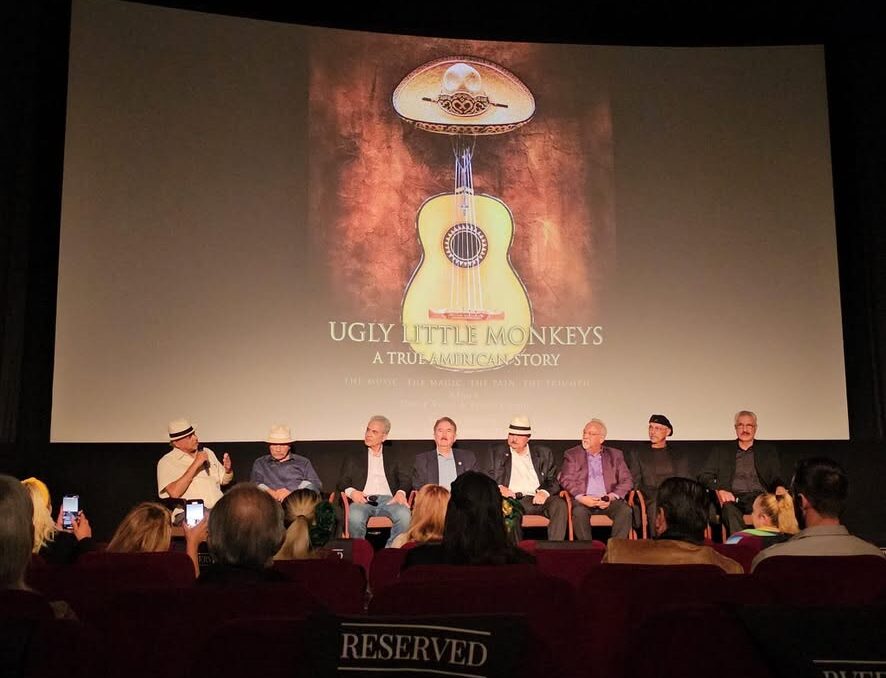
The marketing of the film continues, even after its streaming premiere, through screenings. One of the most significant upcoming public screenings will take place at LéaLA, the largest Spanish-language book fair and literary festival in the United States. Open to the public, this special community screening will take place on September 24 at LA Plaza de Cultura y Artes in Downtown Los Angeles as part of the festival’s programming. Adding to the celebration will be a performance by the members of the current Changuitos Feos/Ugly Little Monkeys mariachi group. The group will be flown in from Tucson to perform live for attendees.
This screening represents precisely the kind of strategic audience development that independent filmmakers increasingly rely upon—bringing the film directly to communities already invested in its subject matter.

In many ways, the path chosen by Ugly Little Monkeys mirrors the message at the heart of the film itself: preserving cultural traditions while creating new opportunities for future generations. By embracing innovative distribution models and continuing to engage audiences in person, the filmmakers are ensuring that the legacy of the Original Changuitos Feos/Ugly Little Monkeys—and the enduring power of mariachi music—will continue to resonate for years to come.
While many filmmakers wait until a film is completed to think about distribution, Ugly Little Monkeys demonstrates the value of building audiences throughout the production process. Every interview, festival appearance, community partnership, and cultural connections became part of a long-term marketing strategy that is now helping the film reach audiences around the world.