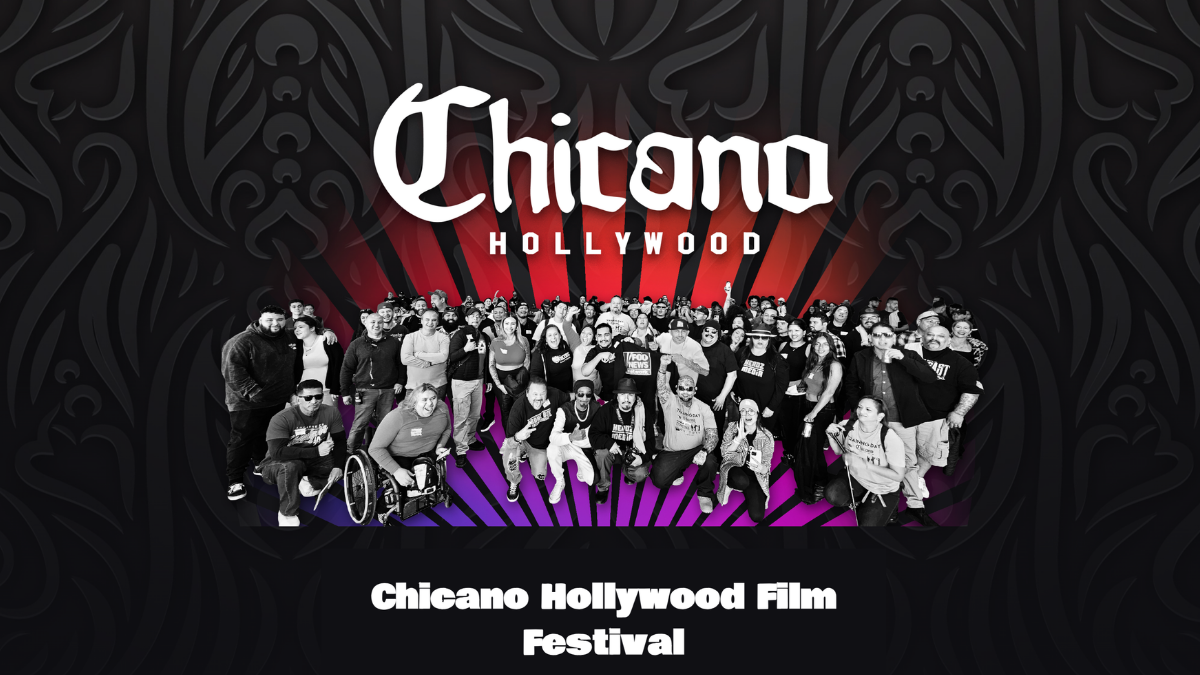
By Bel Hernandez Castillo & Andrea Nuñez
To understand what Chicano Hollywood “wants”, you first need to understand what a “Chicano” is.
In 1970 award-winning journalist Ruben Salazar wrote the definitive article defining the word Chicano in his Los Angeles Times article titled: “Who is a Chicano and What is it that Chicanos Want?
In his article Salazar wrote, “A Chicano is a Mexican-American with a non-Anglo image of himself. He resents being told Columbus “discovered” America when the Chicano’s ancestors, the Mayans and the Aztecs, founded highly sophisticated civilizations centuries before Spain financed the Italian explorer’s trip to the “New World.”
The passage captures why the term became associated by many Mexican-Americans with cultural pride and self-determination.
However over the past five decades, the meaning of “Chicano” has evolved. Once embraced as a political identity rooted in the Chicano Movement, it later fell out of favor among some Mexican Americans, while others continued to wear it as a badge of cultural pride. Today, a new generation, and not just Mexican- Americans, are reclaiming the term in ways that emphasize identity, history, and empowerment.
So what is Chicano Hollywood?
Johnny Murillo, founder of Chicano Hollywood, defines it as a platform “a community built to elevate, empower, and showcase Chicanos and Latino storytellers”. But the vision extends far beyond that simple definition.
That vision might be rooted in past efforts by several Latino organization, who throughout the years were founded for the same purpose. Chicano Hollywood is part of a broader Latino entertainment ecosystem that has been nurtured over past decades by these organization. Most notably Nosotros (Founded in 1970 by Ricardo Montalban), Hispanic Organization of Latin Actors (HOLA) (Founded in 1975); LatinHeat LEMI Conference (Founded 1995); and NALIP (Founded in 1999) – among them.
What distinguishes Chicano Hollywood is its early focus on Mexican-American independent filmmakers—many who existed outside the Hollywood’s traditional power structure. However, Murillo’s vision went beyond its core base, growing to include all Latinos and making alliances with non-Latino entities and filmmakers. Chicano Hollywood created an infostructure from production to distribution.
“For too long, our stories have been underrepresented or misrepresented in mainstream media,” Murillo explains. adding, “Chicano Hollywood was created to change that — to build our own lane, our own economy, and our own global stage.”
Murillo, who has been working in Hollywood for more than 15 years as an actor/line producer and screenwriter, began building Chicano Hollywood in 2021. According to Murillo, the impetus for the Chicano Hollywood brand came from his lived experiences, as well of those of his peers in the Mexican-American community, attempting to pitch stories to the studios.
It is no secret that Chicanos/Latinos represent one of the largest minority groups in the United States. Their economic influence, is noted in the Latino Donor Collaborative studies — increasingly their economic, cultural and creative impact—is undeniable.
For decades, Chicano culture has been portrayed stereotypically in major Hollywood films (Walk Proud (1979), Spanglish (2004), without a balance of characters. It took Latino filmmakers like the following to make independent films that portrayed another side of the Latino experience.
Robert Rodriguez
- El Mariachi (1992)
- Desperado (1995)
- From Dusk Till Dawn (1996)
- Spy Kids (2001)
Gregory Nava
- El Norte (1983)
- Selena (1997)
- My Family (1995)
Luis Valdez
- Cisco Kid (1994)
- La Bamba (1987)
Eva Longoria
- La Guerra Civil (2022)
- Flamin’ Hot (2023)
Despite the box office success of these films, Latino-led films have generally received fewer large-scale studio investments than comparable projects centered on Black film projects, as the 2026 UCLA’s latest Hollywood Diversity Report notes.
So what does Chicano Hollywood want?
Murillo quickly understood that success in entertainment requires more than talent alone. It demands infrastructure, education, access, and ownership. In other words, it requires an ecosystem.
At its core, Chicano Hollywood focuses on three major pillars.
1. Building a Creative Ecosystem for Chicano and Latino Talent
One of the organization’s primary goals is to provide career development and professional education for emerging storytellers, filmmakers, and creatives. Access to industry knowledge has historically been inequitable, and many talented voices simply never receive the tools or mentorship needed to navigate the entertainment industry.
Through the Chicano Hollywood Academy, aspiring creators can access courses such as How to Produce a Micro-Budget Film, How to Write a Contained Script, and the academy’s latest offering, How to Write a Vertical Series.
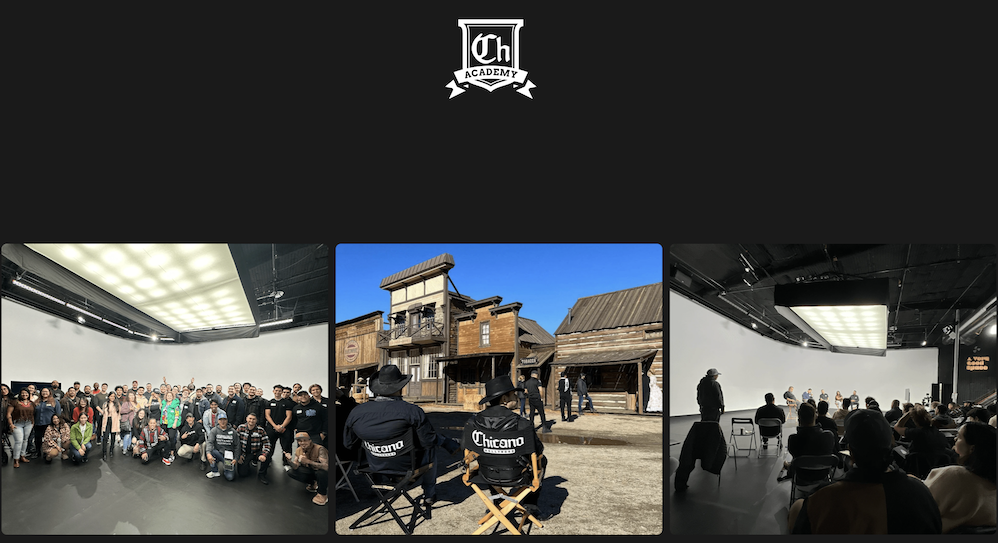
The company’s vision is ambitious—to establish creative hubs in 15 to 20 major cities and build a pipeline of in-house talent capable of becoming the next generation of writers, producers, directors, and entertainment professionals. The goal is not simply participation in the industry but ownership within it.
2. Creating Independent Media and Distribution Platforms
Another key aspect of Chicano Hollywood’s mission is the creation of multimedia platforms that allow creators to independently produce, distribute, and promote their work.
For many filmmakers and storytellers, gaining access to traditional media channels, distribution deals, or large promotional platforms remains a significant challenge. Chicano Hollywood understands that representation is not only about creating content; it is also about controlling where, how, and by whom those stories are shared.
In response, the organization launched ChicanoHollywood.tv, a streaming and media platform featuring original in-house productions ranging from drama to documentary. Some of its titles include The Calipso Show (2024), Dirt City (2021), and Ruben Gutierrez: My Story (2025), among others.
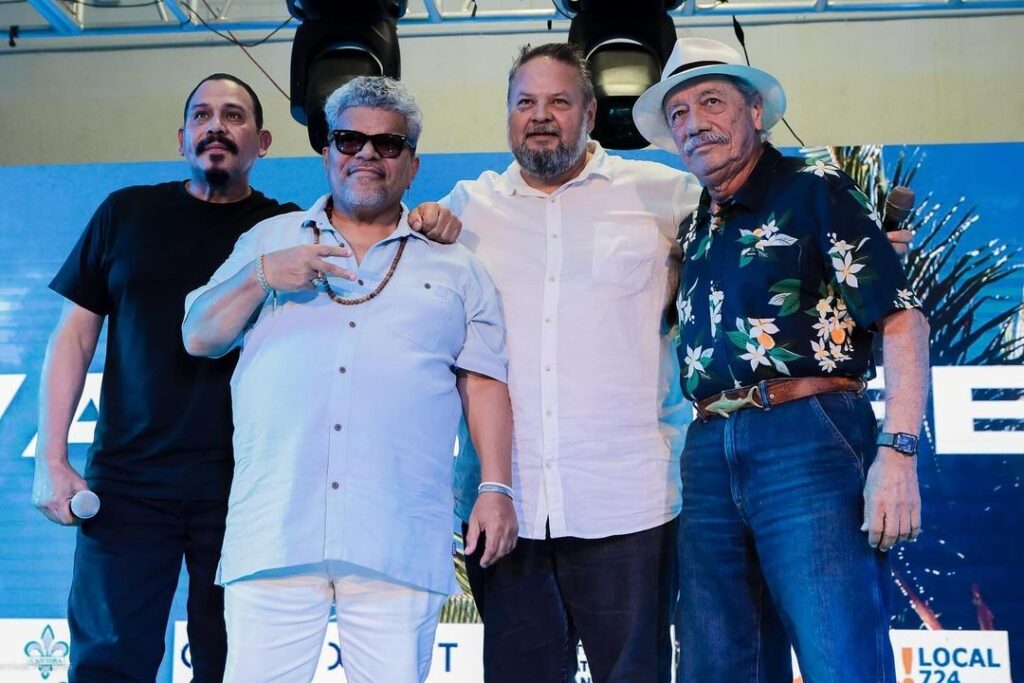
In publishing, Chicano Hollywood Magazine serves as an additional platform dedicated to showcasing original productions while highlighting influential Chicano and Latino voices across entertainment, business, and technology. The magazine has featured notable figures, such as Eva Longoria, Edward James Olmos, Emilio Rivera, and Oscar-nominated makeup artist Ken Diaz.
The organization’s long-term vision includes developing original content, building subscriber-based revenue, securing advertising partnerships, expanding merchandising opportunities, and increasing distribution channels. In many ways, Chicano Hollywood is working toward creating a self-sustaining entertainment network rooted in cultural ownership, creative independence, and community visibility.
3. Developing an Economic Engine for Latino Creatives and Entrepreneurs
Chicano Hollywood also recognizes that the entertainment industry is deeply driven by relationships, networking, and economic collaboration. For that reason, the organization seeks to create opportunities not only for artists but also for entrepreneurs, vendors, producers, and creative professionals working across the entertainment landscape.
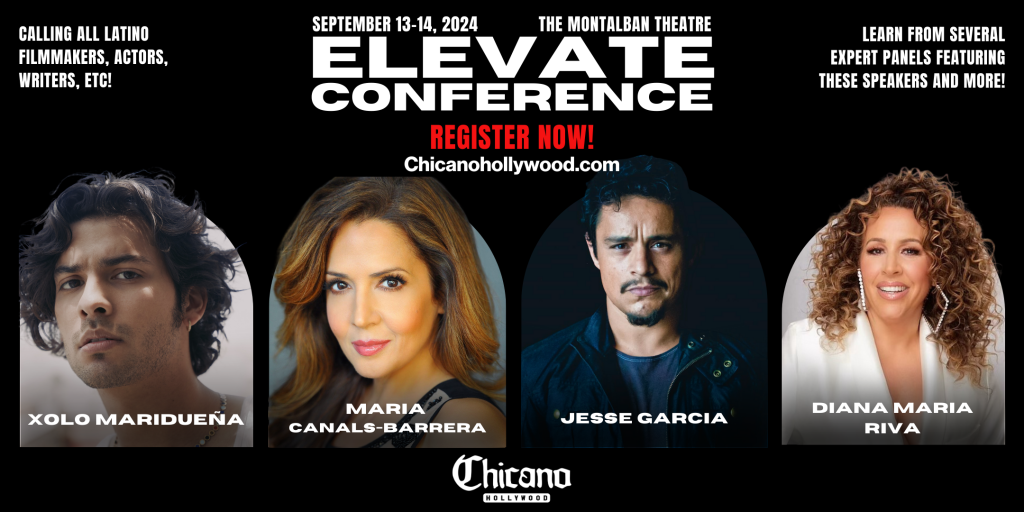
Its first public initiatives was their Elevate Conference, where Chicano Hollywood brought together keynote speakers, industry panels, and entertainment-focused businesses to foster spaces for inspiration, collaboration, and professional growth. Over the past three years, the conference has featured notable voices such as Xolo Maridueña (Blue Beetle, Cobra Kai), producer and actress Lisa Vidal (The Division, Being Mary Jane), actress Maria Canals-Barrera (Wizards of Waverly Place, Camp Rock), actors Edward James Olmos (Blade Runner, Miami Vice, Zoot Suit), Luis Guzmán (Wednesday, Narcos), Enrique Castillo (Deja Vu, Blood In Blood Out, The Waltons) and others, helping establish the Chicano Hollywood as an important space for dialogue, visibility, and industry exchange.
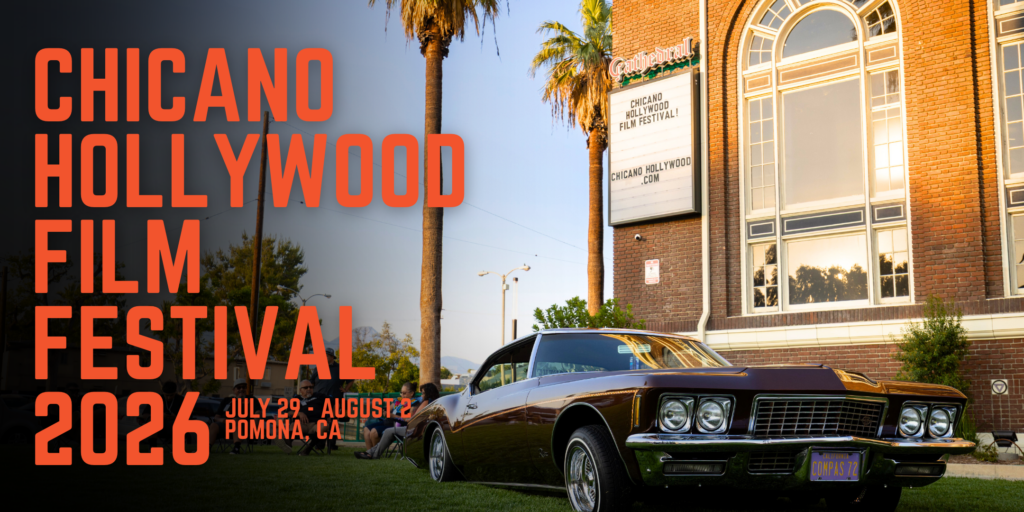
Last year, the organization also launched its first Chicano Hollywood Film Festival, showcasing films, documentaries, short films, and series that were created by Chicano and Latino filmmakers from across the country.
The momentum continues to grow. The next edition, the 2026 Chicano Hollywood Film Festival, is scheduled to take place from July 29 through August 2, 2026 at the The Union On Garey, further expanding the organization’s vision of creating a national platform for Chicano and Latino storytelling, collaboration, and cultural ownership.
This year over 100 features and short film will screened, workshops that include How To Self-Distribute Your Indie Film with Selina Ringal; Stuntman Fighting with Geo Perez and Joe Chacon and even a marketing activations — a Chess Match: Keanu Reeves vs Bianca Mitchell followed by a panel with Reeves and the filmmaking team, followed by a screening of their Mad Woman’s Game feature documentary. The five day festival will culminate on Augut 2nd with the awards ceremony. Tickets can be purchased HERE
This is only the beginning
Organizations willing to articulate a long-term vision often inspire broader participation. By defining its ambitions publicly, Chicano Hollywood invites filmmakers, entrepreneurs, educators, and audiences to imagine themselves as part of a larger movement.
Ambition invites collaboration, and movements grow when communities see themselves reflected in them. Chicano Hollywood possesses many of the elements necessary to become one of the leading independent Chicano and Latino entertainment networks in the United States, namely education, infrastructure, distribution, community, and perhaps most importantly, a commitment to telling stories authentically.
Earlier generations relied almost exclusively on access to Hollywood’s gatekeepers, today’s creators are increasingly building their own educational institutions, media platforms, festivals, distribution channels, and business networks.
Representation is not just about being seen. It is about people having the power to tell their own stories, in their own voice, with their own faces.
Andrea Nuñez-Gamboa Co-wrote this article
About the Author